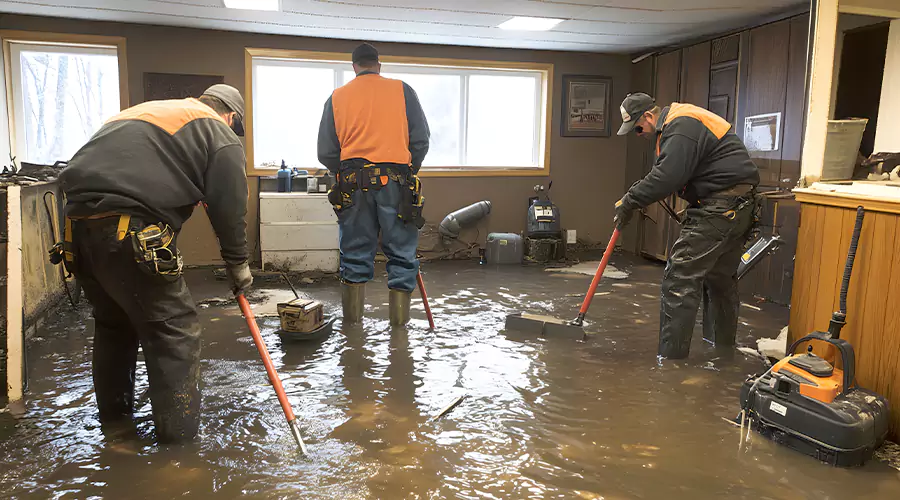



Water damage can occur suddenly or gradually, impacting both residential and commercial properties. Recognizing the most common causes of water damage helps property owners take preventive steps and respond quickly when issues arise. Whether you own a home, a business, or both, understanding these triggers can save you thousands in repairs and protect your indoor environment.
Water damage happens when water intrudes where it shouldn’t — inside walls, flooring, ceilings, or structural systems. Over time, this unwanted moisture can weaken materials, lead to mold growth, and create health risks if not addressed promptly. Professional restoration helps mitigate these effects, but prevention starts with knowing what causes water to enter your property in the first place.
One of the most frequent causes of water damage in both homes and businesses involves the internal plumbing system. This includes:
Implementing proper water mitigation strategies can help address these issues before they cause significant damage. These problems can cause water to seep into walls, floors, and ceilings long before visible signs appear.
Why It Happens:
Pipes age over time, mineral buildup can weaken connections, and sudden temperature changes can lead to bursts. For businesses with large plumbing systems, even small leaks can affect multiple rooms or floors before detection.
Outdoor water is another major source of damage.
Roof Leaks
A compromised roof allows rainwater and melting snow to seep into the attic and living spaces. Common causes include:
Even a small roof leak can cause staining, insulation damage, and structural weakening.
Severe Weather Events
Heavy rainfall, storms, hurricanes, and flash floods can overwhelm drainage systems and fill basements or lower floors with water. Properties in flood-prone regions are especially at risk.
Appliances connected to water supply lines are often overlooked as sources of water damage.
Common culprits include:
When hoses crack, seals fail, or internal components malfunction, water can pool under cabinets or seep into floors and walls quietly over time.
Heating, ventilation, and air conditioning systems generate condensation. If:
Then that moisture can collect and overflow into ceilings or utility rooms. Both residential and commercial HVAC systems can contribute to water damage when neglected.
Gutters and downspouts direct rainwater away from the foundation. When clogged with debris, they overflow and allow water to pool around the building’s base. This can lead to:
Regularly cleaning gutters and ensuring proper grading away from the building helps prevent this issue.
Sewer system issues can cause contaminated water to flood indoor spaces, presenting serious health hazards and requiring professional biohazard cleanup. A defective or overwhelmed sump pump can also allow groundwater to rise into basements during heavy rain.
Water can enter through foundation cracks, poorly sealed windows and doors, or construction defects. Over time, hydrostatic pressure from surrounding soil or inconsistent waterproofing allows water to seep into lower levels of a property. This is especially common in older buildings or those with inadequate drainage systems.
While many causes overlap, there are a few distinctions:
| Cause | Homes | Businesses |
|---|---|---|
| Plumbing issues | Common due to many fixtures | More extensive and complex systems |
| Roof leaks | Often from aged residential roofs | Flat commercial roofs may pool water |
| HVAC drainage | Typically smaller systems | Larger systems with higher condensation |
| Sprinkler malfunctions | Rare | Frequent risk in fire suppression systems |
In commercial buildings, sprinkler system failures, human error during maintenance, and heavy equipment leaks may also contribute to water damage — issues that are less common in residential settings.
Recognizing early signs of water damage helps avoid costly restoration later:
If you spot these indicators, it’s wise to call a professional water damage inspection and restoration team. Prompt action reduces structural problems and mold growth risks.
Water damage is one of the most common and costly issues property owners face. From plumbing failures and roof leaks to appliance malfunctions and heavy weather events, understanding the causes of water damage empowers you to take preventive measures and respond quickly if disaster occurs. Regular maintenance, structural inspections, and prioritizing early warning signs can protect your home or business and save you money in the long run.
Our certified experts are ready 24/7 to assist you with emergency restoration services.
GET A QUOTE